In today's environmentally conscious world, proper waste management is crucial. One area that often causes confusion is the disposal of aerosol cans. Enter aerosol can recycling kits – the solution to safe, compliant, and eco-friendly aerosol waste management.
The Problem: Tons of Waste, Millions in Fines
Improper disposal of aerosol cans poses significant risks to both the environment and public safety. When not recycled correctly, these pressurized containers can lead to hazardous waste accumulation in landfills or facilities, creating a risk of explosions due to residual propellants or liquid contents. The environmental impact is substantial: according to the EPA, approximately 3 billion aerosol cans are produced annually in the United States alone, with a significant portion ending up in landfills. This results in hundreds of thousands of tons of potentially recyclable steel being wasted each year.
Moreover, non-compliance with proper disposal guidelines can result in hefty fines for companies. In 2019, the EPA reported over $471 million in combined federal administrative and civil judicial penalties for environmental violations This highlights the financial risks of improper waste management. By implementing proper aerosol can recycling methods, we can significantly reduce these risks while conserving valuable resources.
The Solution: Aerosol Can Recycling Kits
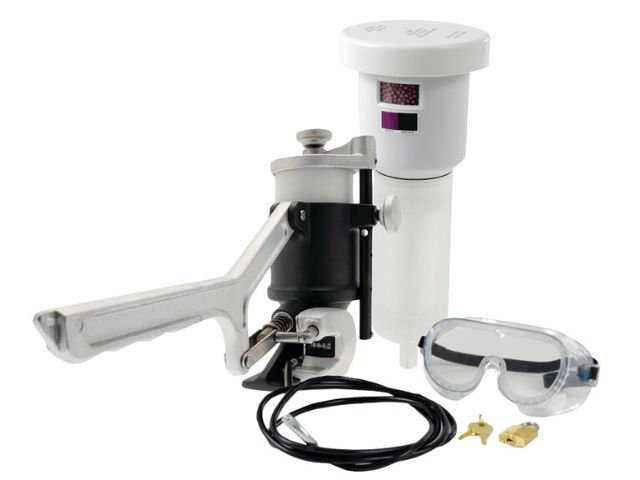
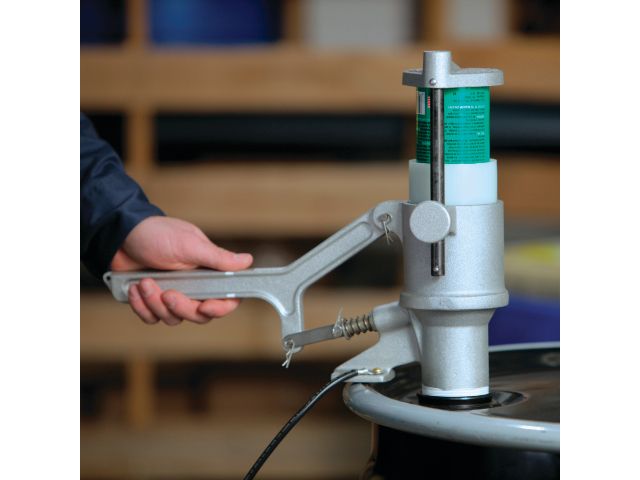
Aerosol can recycling kits, also known as aerosol can disposal systems, are specialized tools designed to safely puncture and drain aerosol cans. These kits enable businesses and individuals to properly manage aerosol waste, ensuring environmental compliance and reducing potential hazards.
Why Are They Important?
- Safety: Aerosol cans can be dangerous if not handled correctly. These kits minimize the risk of explosions or chemical exposure.
- Environmental Protection: Proper disposal prevents harmful chemicals from entering landfills or water systems.
- Regulatory Compliance: Many regions have strict regulations on aerosol can disposal. These kits help meet those requirements.
- Resource Conservation: By separating the components, more materials can be recycled, reducing waste.
How Do Aerosol Can Recycling Kits Work?
- Puncturing: The kit safely punctures the can, releasing any remaining pressure.
- Draining: Liquid contents are collected in a separate container for proper disposal.
- Separation: The empty can is now ready for recycling with other metal waste.
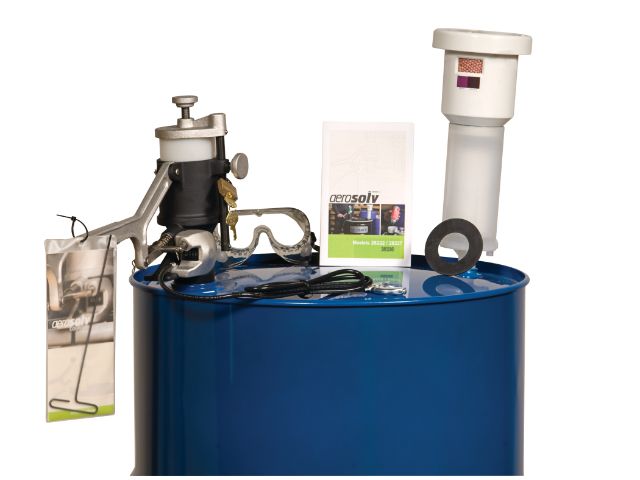
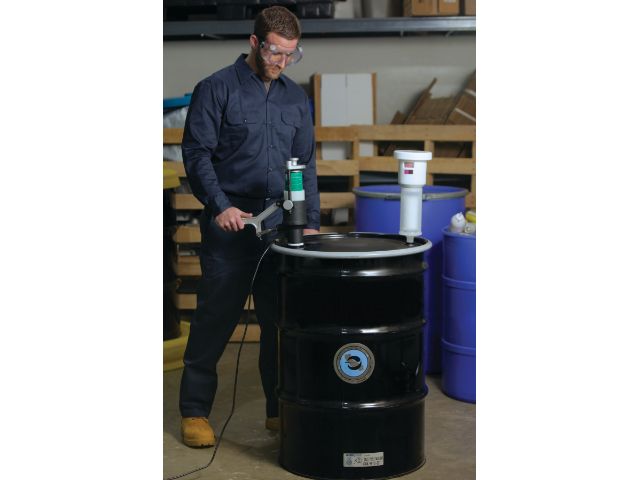
These kits are typically designed to be used with standard 30- or 55-gallon drums, which collect the contents from multiple cans. This setup allows for efficient processing of large quantities of aerosol cans in industrial or commercial settings.
Most aerosol can recycling kits can handle a wide variety of aerosol cans, including those containing paints, lubricants, cleaners, and personal care products. However, it's important to note that some specialized aerosol products, such as those containing certain pesticides or pharmaceuticals, may require different disposal methods.
Key Features to Look For
When choosing an aerosol can recycling kit, consider these factors:
- Capacity: How many cans can it process before needing emptying?
- Compatibility: Does it work with different can sizes and materials?
- Ease of Use: Is it simple to operate and maintain?
- Durability: Will it withstand frequent use in your environment?
- Compliance: Does it meet relevant safety and environmental standards?
Benefits of Using Aerosol Can Recycling Kits
- Reduced Environmental Impact: Proper disposal means less waste in landfills.
- Cost Savings: Avoid fines for improper disposal and potentially reduce waste management costs.
- Improved Safety: Minimize risks associated with aerosol can handling and storage.
- Enhanced Corporate Responsibility: Demonstrate commitment to sustainable practices.
Who Needs Aerosol Can Recycling Kits?
These safe recycling methods for aerosol cans are essential for various sectors:
- Manufacturing facilities
- Automotive repair shops
- Painting and construction businesses
- Laboratories and research facilities
- Households with frequent aerosol can usage
U.S. Regulations and Compliance
Aerosol can recycling kits play a crucial role in helping businesses meet or exceed various U.S. regulations. Here are some key regulations that these kits address:
- Resource Conservation and Recovery Act (RCRA): This federal law governs the management of hazardous waste. Aerosol cans often fall under this category due to their contents or propellants. Recycling kits help businesses comply with RCRA by ensuring proper handling and disposal of these materials.
- Environmental Protection Agency (EPA) Universal Waste Rule: In 2020, the EPA added aerosol cans to the universal waste regulations, simplifying the management of this waste stream. Aerosol can recycling kits help meet the requirements for safe puncturing and draining of cans under this rule.
- Occupational Safety and Health Administration (OSHA) Standards: OSHA requires employers to protect workers from hazards associated with aerosol cans. Recycling kits help meet these standards by providing a safe method for can disposal, reducing risks of fire, explosion, or chemical exposure.
- Department of Transportation (DOT) Regulations: When transporting waste aerosol cans, DOT regulations must be followed. By using recycling kits to properly empty and puncture cans, businesses can often reclassify the waste, potentially simplifying transportation requirements.
- State-Specific Regulations: Many states have their own regulations regarding aerosol can disposal. For example, California's Department of Toxic Substances Control has specific guidelines for aerosol can management. Recycling kits can help meet these varied state requirements.
- Clean Air Act: This act regulates emissions of volatile organic compounds (VOCs), which are often found in aerosol products. By properly containing and disposing of these substances, recycling kits help businesses comply with Clean Air Act provisions.
By using aerosol can recycling kits, businesses demonstrate due diligence in complying with these regulations. This not only helps avoid potential fines and legal issues but also contributes to a safer workplace and environment.
Conclusion
Aerosol can recycling kits are more than just tools – they're a crucial component in responsible waste management and regulatory compliance. By investing in these systems, you're not only ensuring adherence to U.S. environmental and safety regulations but also contributing to a cleaner, safer environment. Whether you're a business owner looking to improve your waste management practices or an individual seeking eco-friendly disposal methods, aerosol can recycling kits offer a simple yet effective solution.
Remember, proper disposal isn't just good practice – it's our responsibility to the planet and future generations. Make the switch to aerosol can recycling kits today and take a step towards a more sustainable and compliant tomorrow.
References
- United States Environmental Protection Agency. (2024). "Defining Hazardous Waste: Listed, Characteristic and Mixed Radiological Wastes." https://www.epa.gov/hw/defining-hazardous-waste-listed-characteristic-and-mixed-radiological-wastes
- United States Environmental Protection Agency. (2020). "Addition of Aerosol Cans to Universal Waste Regulations." Federal Register. https://www.federalregister.gov/documents/2019/12/09/2019-25674/adding-aerosol-cans-to-the-universal-waste-regulations
- Occupational Safety and Health Administration. (2024). "1910.106 - Flammable liquids." https://www.phmsa.dot.gov/standards-rulemaking/hazmat/hazardous-materials-regulations
- California Department of Toxic Substances Control. (2024). "Managing Waste Aerosol Cans." https://dtsc.ca.gov/aerosol-can-waste-management/
- United States Environmental Protection Agency. (2021). "Clean Air Act Overview." https://www.epa.gov/clean-air-act-overview
- Steel Recycling Institute. (2021). "Steel Recycling." https://www.steelsustainability.org/recycling


